
Off Grid Living in Australia
Off-Grid Living: Design & Build a Self-Sufficient Home
Off grid living means designing and building a home that operates entirely independently from mains power, reticulated water, and sewerage services.
For Australians building on rural or remote land, it is far more than a lifestyle choice — it is a practical and increasingly cost-effective alternative to expensive grid connection fees.
A successful off grid home integrates solar power, battery storage, hot water systems, efficient appliances, and wastewater management into a single, cohesive design. When planned early, these systems work together to deliver year-round comfort without reliance on external infrastructure.


Off-Grid Solar Power & Battery Systems
At the heart of most off grid homes is a solar and battery system designed to generate, store, and manage electricity year-round. In Australia, solar performs exceptionally well — but system sizing must account for seasonal variation, household demand, and periods of extended low sunlight.
Solar Panels
Generate electricity during daylight hours.
Battery storage systems
Retain excess energy for night-time use and low-sun periods.
Inverter systems
Manage power distribution and convert energy into usable household electricity.
Correct system sizing is the most critical factor in off grid solar design. Energy demand, seasonal variation, appliance selection, and lifestyle usage patterns all need to be carefully modelled before specifying a system — undersizing is the single most common and costly mistake.
Energy Efficient Home Design for Off-Grid Living
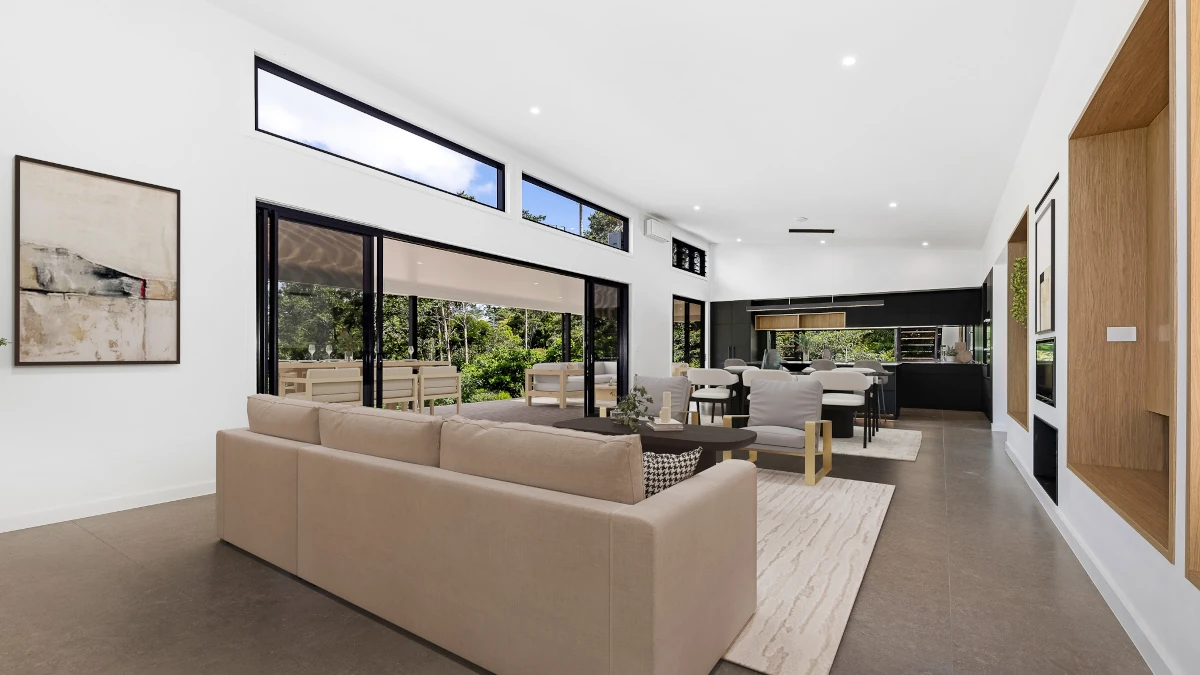
The most effective way to reduce the size — and cost — of an off grid solar system is to reduce energy demand at the design stage. A well-designed energy efficient home needs less power to stay comfortable, which means a smaller battery bank, fewer panels, and lower upfront cost.
LED lighting
Throughout the home to significantly reduce power demand.
Energy-efficient appliances
Designed for low consumption and high performance.
Smart ventilation and insulation design
Reduce reliance on heating and cooling systems
Passive design principles
Orientation, shading, thermal mass, and glazing selection work together to naturally regulate internal temperature year-round.
Reducing energy demand through design typically delivers a greater return than simply increasing system size. For off grid living, efficiency and generation must be planned together from the earliest concept stage.
Off-Grid Hot Water & Cooking Systems
Water heating is one of the largest energy loads in any home — and a particularly important consideration for off grid living. Most off grid homes use a combination of sources to reduce pressure on the electrical system.
Solar hot water systems
Use rooftop collectors to heat water directly from the sun, significantly reducing electricity consumption and the load on your battery system.
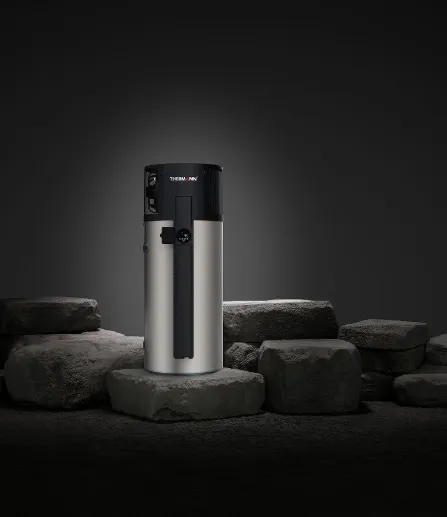
Heat pump hot water systems
Offer highly efficient electric water heating using ambient air energy
Gas cooking (LPG)
Commonly used for cooktops and ovens due to its reliability and low electrical demand
A hybrid approach — combining solar or heat pump hot water with LPG cooking — balances comfort, efficiency, and energy independence without oversizing the battery system.

Water & Wastewater Management for Off-Grid Homes
True off grid living extends beyond electricity. Independent water supply and compliant on-site wastewater treatment are equally important — and must be integrated into site planning and council approvals from the outset.
On-site wastewater treatment systems (OWTS)
Manage household wastewater safely and in compliance with local regulations
Rainwater harvesting systems
Can be used for household supply depending on location and approvals
Efficient plumbing fixtures
Help reduce overall water demand
Wastewater and water supply decisions affect site layout, setbacks, and approvals. They must be integrated into the design phase — not added
as an afterthought after the floor plan is locked in.

Backup & Alternative Power Options for Off-Grid Homes
Even a well-designed off grid solar system benefits from backup generation. Extended periods of cloud cover, seasonal variation in solar production,
or higher-than-usual demand can all create shortfalls — particularly for larger homes or sites in areas with significant winter shading.
Generator backup systems
Provide reliable power during extended periods of low solar generation or high demand.
Wind turbines
Can be considered in suitable locations to supplement solar production.
Hybrid energy systems
Combine multiple generation sources for improved reliability and resilience.
These options are particularly relevant for larger homes or sites with seasonal variability.

Building a Fully Integrated Off-Grid Home
Off grid living works best when all systems are designed together — not specified independently and bolted together after the fact.
A fully integrated off grid home coordinates:
- Power generation (solar, wind, generator backup)
- Energy storage (battery systems)
- Efficient consumption (lighting, appliances, design)
- Water heating solutions (solar, heat pump, gas)
- Wastewater management systems
When designed correctly, these systems allow a home to operate comfortably and reliably without reliance on external infrastructure.

Why Off-Grid Design Must Start at Concept Stage
Off grid performance is determined almost entirely by early design decisions. Home orientation, roof pitch, structural layout, glazing ratios, thermal mass, and insulation all influence how much energy the home needs — which in turn determines how much solar and storage capacity is required.
Planning for off grid living after the floor plan is finalised typically means compromising on system sizing, orientation, or cost. The most successful off grid homes are those where energy independence is treated as a design brief from day one — not a retrofit.
For anyone building on rural or remote land in Queensland, off grid capability should be explored at the very first consultation — before any structural or layout decisions are made.
Frequently Asked Questions
Yes. Off-grid living is legal in Australia provided the dwelling meets the National Construction Code requirements for a habitable structure, and all water supply and wastewater systems are approved by your local council. In Queensland, this typically means an on-site wastewater treatment system compliant with AS/NZS 1547 and council-approved rainwater or bore water supply. Planning requirements vary by local government area, so early engagement with your council is essential.
The most common issues are undersized battery storage (running short during extended cloudy periods), incorrect system sizing based on average rather than peak demand, and poor panel orientation reducing generation. These are design and specification problems — not technology failures. A correctly sized and installed system, matched to your actual energy profile and site conditions, operates reliably year-round.
A correctly sized off-grid system can power all standard household appliances — refrigerator, lighting, washing machine, dishwasher, entertainment systems, and air conditioning. The key is matching system capacity to your actual load profile. High-draw appliances like electric ovens, pool pumps, and ducted air conditioning require larger systems and should be factored in at the design stage, or substituted with gas alternatives to reduce electrical demand.
A full off grid system for a typical Australian home — including solar panels, battery storage, inverter, and generator backup — generally ranges from $25,000 to $60,000 or more depending on household size and energy demand. Battery storage is typically the largest single cost component. Government rebates introduced in 2025 under the Cheaper Home Batteries Program have reduced upfront costs for eligible systems. For a real-client perspective on how these costs balance against the savings, read about the true cost of off-grid living.
A complete off grid home requires: a solar and battery system for electricity; a hot water solution (solar, heat pump, or gas); an on-site wastewater treatment system approved by your local council; and a rainwater harvesting system or bore water supply. Energy efficient design — good orientation, insulation, and low-energy appliances — reduces the size and cost of all these systems. For a practical breakdown of the products and systems involved, see our guide to building for off-grid living.
The best off grid solar system is one that is correctly sized to your specific household. This requires a detailed energy audit covering your appliances, usage patterns, and the solar resource at your site. A lithium iron phosphate (LiFePO4) battery bank paired with a quality hybrid inverter is the most common and reliable configuration in Australian conditions.
A passively designed home stays comfortable with minimal active heating or cooling — which are often the largest loads on an off grid system. Good orientation (north-facing in Australia), appropriate glazing ratios, thermal mass, and external shading can dramatically reduce energy demand, allowing a smaller and less expensive solar and battery system.
Still have questions? → Check out our complete FAQ section or contact us directly.
Get Started Today
Our friendly team are ready to speak with you to discuss your project scope.